

Building Futures: The Role of Art in Child Development
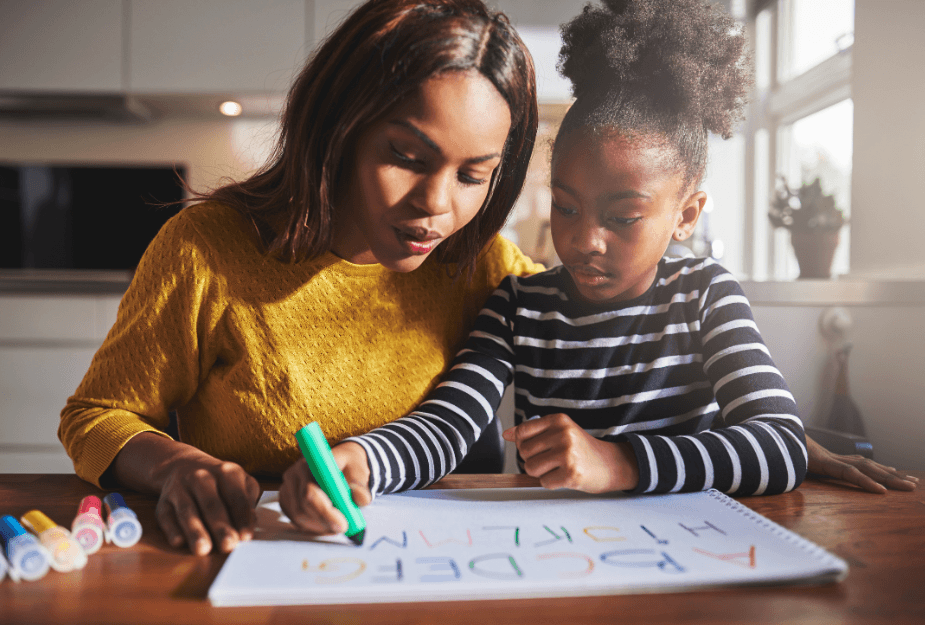
Children are naturally curious, imaginative, and expressive. From the moment they begin to draw shapes with their food, sing along to a melody, tell stories from their imagination, or come up with games to entertain themselves, they are engaging in artistic expression. While art is often viewed as a recreational activity, research continues to demonstrate that it plays a vital role in the cognitive, emotional, and social development of children. Arts’ education supports creativity, critical thinking, self-regulation, and communication skills, making it an important part of a child’s formative years.
Art contributes significantly to cognitive development because it challenges children to think creatively while solving problems and making decisions. Whether a child is painting a picture, building a model, composing a song, or crafting a story, they are constantly making choices about colours, shapes, sounds, and ideas. These activities stimulate brain development and help improve concentration, memory, and critical thinking skills. Studies have shown that participation in music and visual arts can positively influence cognitive and brain development in young children, strengthening skills that extend far beyond the art classroom.
Equally important is the role art plays in emotional development. Children often experience emotions that they may not yet have the vocabulary to express, and artistic activities provide a safe and constructive outlet for these feelings. Through drawing, painting, music, dance, and storytelling, children learn to communicate their thoughts and emotions while developing greater self-awareness and confidence. As they create and share their work, they begin to understand that their ideas matter, and this sense of achievement helps build resilience and self-esteem.
Art also strengthens social skills because many artistic experiences encourage collaboration and interaction. When children participate in games whether at schools or at home, group performances, art exhibitions, or creative projects, they learn the value of teamwork, communication, respect, and empathy. They are exposed to diverse perspectives and are encouraged to appreciate the ideas and talents of others. These experiences help children build meaningful relationships while developing the social and emotional competencies that contribute to success both inside and outside the classroom.
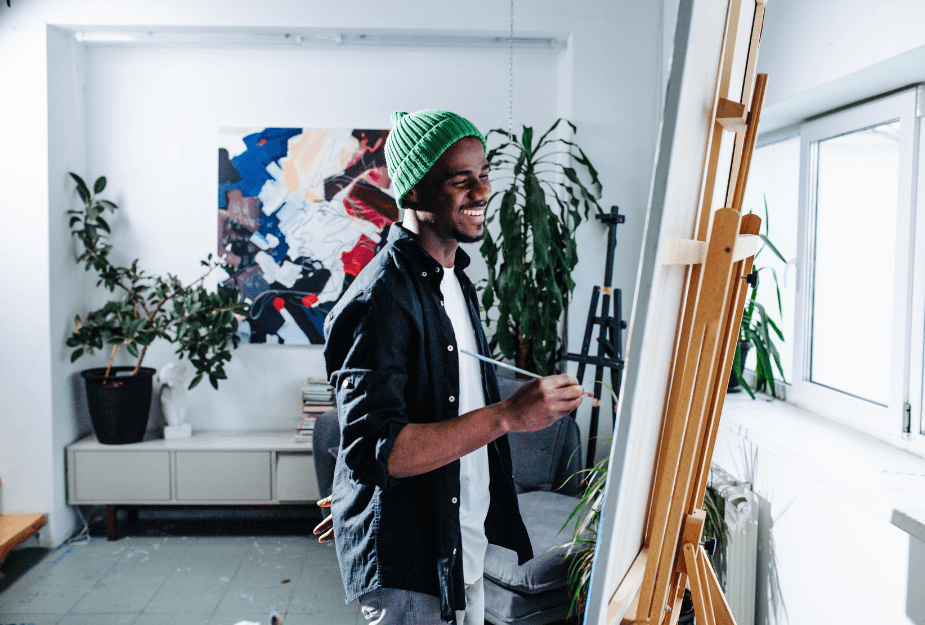
Different forms of art contribute uniquely to a child’s growth. Visual arts such as drawing, painting, and sculpting enhance creativity, observation, and fine motor skills, while music improves listening abilities, concentration, and memory. Dance promotes physical coordination, discipline, and self-expression, whereas drama and storytelling nurture language development, confidence, and imagination. Together, these creative disciplines provide children with opportunities to explore their interests while developing a wide range of life skills that support academic achievement and personal growth.
Beyond individual development, art encourages children to appreciate culture, diversity and heritage. Artistic activities such as drama and music festivals expose young learners to different traditions, perspectives, and experiences, helping them develop an understanding of the world around them. Through creative expression, children learn to celebrate differences while recognizing shared human experiences, fostering a sense of inclusion and belonging. Culture and arts education are important tools for promoting cultural understanding, social cohesion, and active participation in society.
Recognizing the transformative impact of art on child development, Jubilee Life Insurance proudly holds an annual Live Free Art Competition for learners in Grades 1 to 4. The competition is designed to inspire young minds to explore their creativity while providing a platform where their talents can be nurtured and celebrated. At a stage when curiosity and imagination are at their peak, children are encouraged to express themselves through art, giving them the confidence to share their ideas and perspectives with others.
The annual competition is more than a showcase of artistic talent; it is an investment in the holistic development of children. By participating, learners strengthen their creative thinking, build confidence, and develop problem-solving skills, while also experiencing the joy that comes from turning imagination into reality. The competition creates an environment where every child can feel valued, regardless of artistic ability, and where creativity is recognized as an important part of learning and growth.
Furthermore, the initiative provides parents, teachers, and communities with an opportunity to support and encourage artistic expression among young learners. By celebrating children’s creativity and achievements, the competition helps reinforce the message that art is not merely an extracurricular activity but an essential component of a well-rounded education. It demonstrates that every drawing, painting, or creative piece represents a step toward building confident, innovative, and emotionally intelligent future leaders.
As society continues to place greater value on creativity, adaptability, and innovation, it is essential that children are given opportunities to develop these skills from an early age. Through our annual Live Free Art Competition, Jubilee Life Insurance remains committed to cultivating a generation of creative thinkers who are confident in expressing themselves, appreciative of diversity, and prepared to contribute positively to the world around them. By encouraging participation in the arts today, we are helping shape brighter futures for tomorrow.