

Art Beyond the Canvas: A Part of Everyday Life
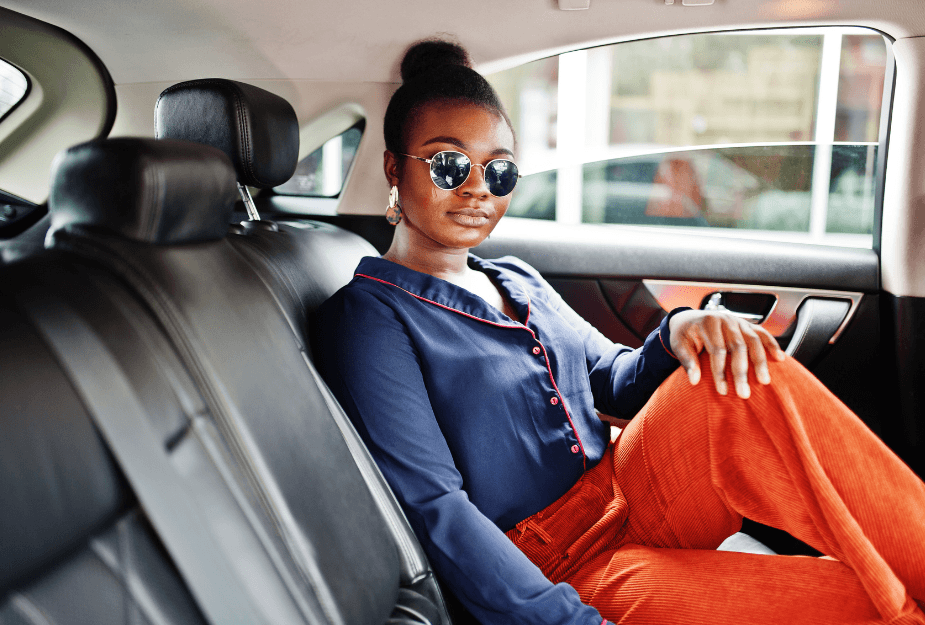
Art has a peculiar way of making us stop and look twice. Sometimes it arrives loudly, demanding our attention through a striking painting, a powerful song, or a breathtaking performance. At other times, it slips quietly into our lives, like music or fashion becoming so familiar that we hardly notice it is there. Yet if we pause for a moment and imagine a world without art, we quickly realize just how deeply it shapes our daily experiences. The colours that brighten our clothing i.e Ankara, the matatu graffiti that speaks our culture, the architecture that defines our cities, the stories that entertain us, and even the food carefully arranged on our plates are all touched by creativity. Art is not merely something we admire from a distance; it is something we experience every day.
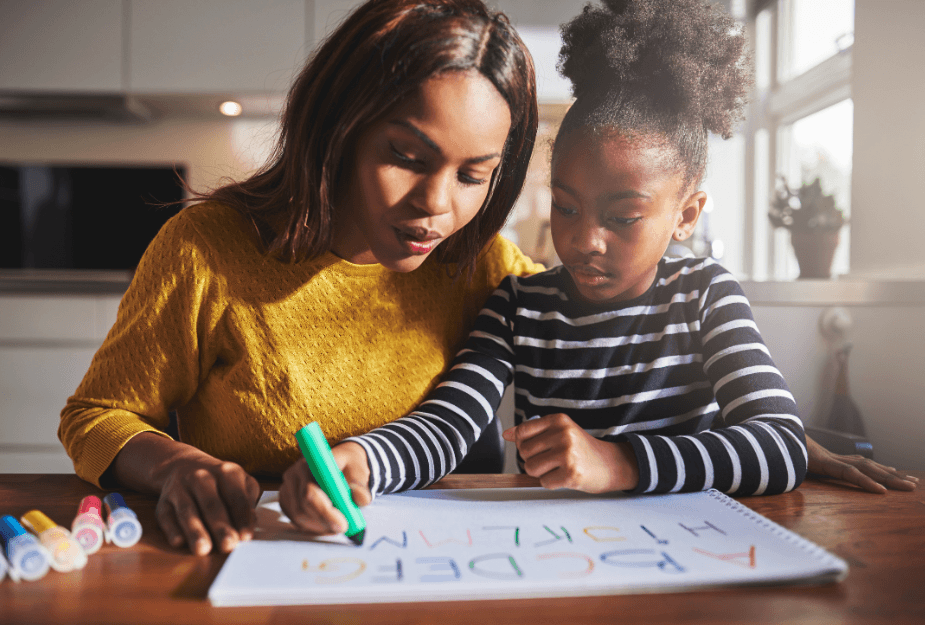
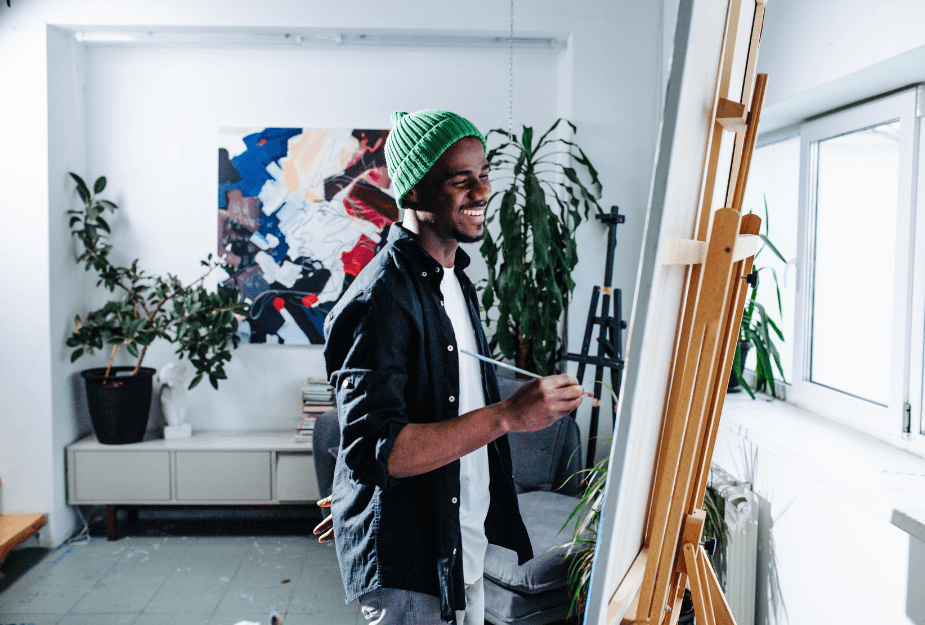
What makes art truly fascinating is that it often hides in plain sight. We rarely stop to think about how much of our world is influenced by artistic expression. A child drawing with crayons on a piece of paper, a designer creating a logo, a chef turning a meal into a visual experience, or a musician composing a melody are all participating in the same timeless act of creation. Art surrounds us in countless forms, quietly shaping our emotions, capturing our memories, and helping us make sense of the world around us. It has become so woven into the fabric of our lives that it is almost impossible to separate the human experience from artistic expression.
For many people, the story of art begins in childhood. Long before we understand technical skills or artistic principles, we instinctively create. Children paint families, draw houses larger than mountains, and tell stories that ignore the rules of reality. In those moments, there are no limitations, only imagination. As we grow older, that creativity evolves rather than disappears. Teenagers often use art to express their identities and explore their place in the world. The baggy outfits, weird colour combinations and dying their hair are all forms of art despite being misunderstood as rebellion. Young adults use it to innovate, challenge ideas, and communicate perspectives. Additionally, art was used to pass on traditions and culture. Through storytelling, artifacts, hairstyles, games, communities were able to preserve their heritage and ensure the communities’ continuity.
This is perhaps one of art’s greatest strengths: it belongs to everyone. Unlike many activities that are defined by age, background, or experience, art opens its doors to all. It creates a shared space where a five-year-old and a seventy-five-year-old can participate in the same conversation without speaking a single word. A drawing, a photograph, a sculpture, or a song can communicate emotions and ideas that transcend generations. In doing so, art builds bridges between people who may otherwise have little in common, reminding us of our shared humanity.
Throughout history, art has also served as society’s storyteller. Long after kingdoms have fallen and generations have passed, art remains behind, preserving the hopes, struggles, victories, and dreams of those who came before us. It records culture, captures identity, and reflects the changing world around us. More importantly, it challenges us to think differently; it asks questions, sparks conversations, and encourages us to imagine possibilities beyond our current realities. Every masterpiece, whether created by a renowned artist or a first-time participant, carries a story waiting to be discovered.
Yet the true power of art is not found only in galleries, museums, or exhibitions, it exists in the confidence of a child who realizes that their ideas matter. It exists in the pride of a parent admiring a creative accomplishment, in the dedication of a teacher encouraging learners to express themselves freely. Every creative act, no matter how small, has the potential to inspire growth, strengthen communities, and bring people together. Through art, individuals find their voices and communities discover new ways of understanding one another.
As we celebrate art through Jubilee Life Live Free Art Competition, we are celebrating far more than talent and technique. We are celebrating imagination, courage, individuality, and connection by creating a platform where stories can be shared, ideas can flourish, and creativity can thrive. In a world that often moves too quickly, art invites us to pause, reflect, and appreciate the beauty of human expression. It reminds us that creativity has no age limit and that every person has a unique perspective worth sharing.
Ultimately, art is not simply about creating beautiful things. It is about seeing the world differently and inspiring others to do the same. It is the thread that connects our past, enriches our present, and helps us imagine a better future. Whether expressed through a child’s sketch, a community mural, a piece of music, or a carefully crafted design, art continues to tell the story of who we are. And perhaps that is why it remains one of humanity’s greatest gifts: it allows us not only to see the world, but to shape it.